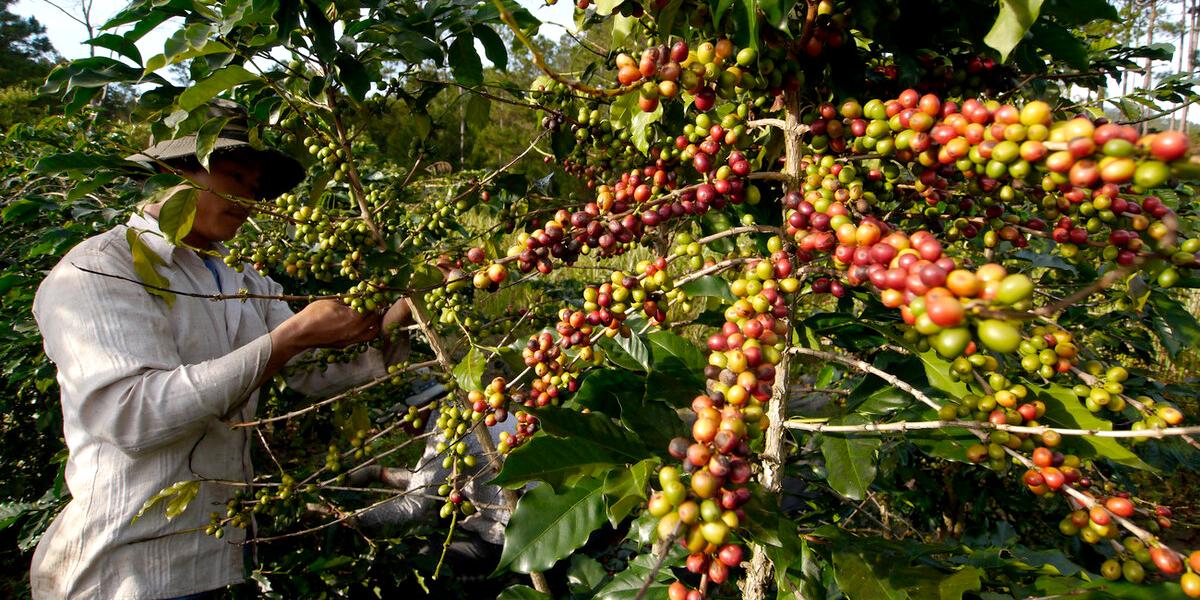
Coffee production is a major agricultural activity and a significant consumer of water resources, posing risks to local water sustainability—especially under escalating climate threats. Despite past efforts, the adoption of climate-smart practices in Lao PDR and Viet Nam remains low. This project addresses unsustainable water use and limited uptake of climate-resilient methods through a comprehensive, multidisciplinary approach aligned with national and regional sustainability goals. It begins with baseline assessments and risk analyses to evaluate current practices and climate vulnerabilities. Tailored training programs will equip farmers with skills for climate-smart production, while efforts to improve market access for sustainable coffee aim to increase economic incentives. Knowledge-sharing platforms, community engagement, and policy advocacy will support broader adoption and long-term agricultural resilience.
To build climate resilience through the adoption of climate-smart agricultural practices.
To enhance market access and increase profitability for climate- smart coffee producers.
To foster collaboration, knowledge-sharing, and social support among stakeholders.
Conducted baseline assessments, including climate-smart coffee production, socio-economic conditions, value chain, and market analysis.
Developed action plans and scientific publications based on assessment findings.
Delivered training programs and workshops to improve climate-smart production and market readiness.
Facilitated technical assistance, stakeholder meetings, and post-intervention evaluations.
Established farmer clubs and data-sharing platforms to promote peer learning and collaboration.
Built partnerships and produced policy briefs to support institutional engagement and policy alignment.