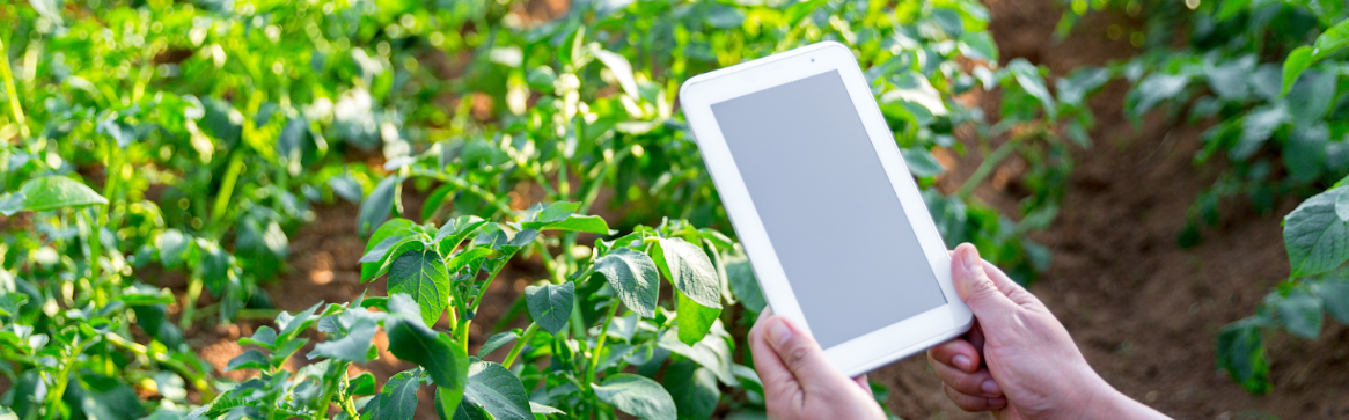
This project promotes the adoption of upland climate-smart agroforestry systems (CSAF) to replace ineffective monoculture practices in Viet Nam and the wider Mekong region. It addresses persistent challenges such as low awareness, limited skills, outdated information, and weak institutional support by providing technical guidance and piloting viable models in representative communities. The initiative engages diverse stakeholders, including households, government agencies, private sectors, and academic institutions. With support from universities, AFoCO, and regional partners, the project fosters collaboration and capacity building to create a foundation for broader CSAF integration across the Mekong region through household-level and market-based approaches.
To promote upland climate-smart agroforestry systems (CSAF) for sustainable livelihood development, soil and biodiversity conservation in Viet Nam and the Mekong region, strengthening regional capacity, academic, and research networks with support from ROK universities and related institutes.
Conduct a comprehensive assessment of the current development status of agriculture and forestry (Months 1-6).
Develop suitability maps (Months 5-9).
Create technical guidelines for CSAF (Months 5-12).
Support the construction of nurseries (Months 13-14).
Establish a demonstration model (Months 13-32).
Develop a WebGIS platform (Months 19-24).
Enhance capabilities and raise public awareness (Months 25-32).