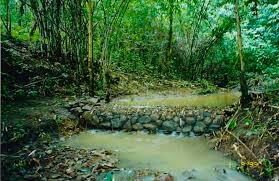
The ECSWRM project aimed to promote small-scale water resource management (SWRM) through collaborative knowledge creation ann active stakeholder engagement. Its objectives were to:Assess local SWRM practices via participatory action research to identify promising knowledge and practices.Equip farmer leaders and organizations with SWRM skills and knowledge.Advocate for SWRM among policymakers at local, national, and regional levels.The project combined local wisdom and scientific knowledge to address local water crises. Training and workshops were co-designed by both knowledge users and technical experts. Successful individual and group SWRM prototypes were enhanced through knowledge dissemination using digital communication technologies, allowing ongoing interactions to further leverage knowledge and skills for continuous SWRM improvement.
To review and assess the role and capability of local knowledge and small-scale water resource management in addressing water crises in Lower Mekong countries.
To support and equip local leaders and smallholder farmers with tools, methods, knowledge, and skills related to small-scale water management through training, field visits, and other skill development activities.
To advocate for small-scale water management among policymakers in Lower Mekong countries.
To foster interaction between local policy actors and the ECSWRM implementation at six sites (two per country), leading to more responsive policy measures for small- scale water resource management (SWRM)
To upskill and enhance the knowledge of 150 farmer leaders from six community organizations (two per country) in small- scale water resource management (SWRM) through the implementation of ECSWRM.
To promote three community organizations and twelve individual farms as good practices or prototypes of small- scale water resource management (SWRM) for further learning and knowledge sharing through visits, social media, or other dissemination methods.